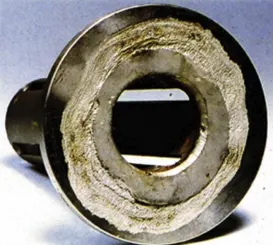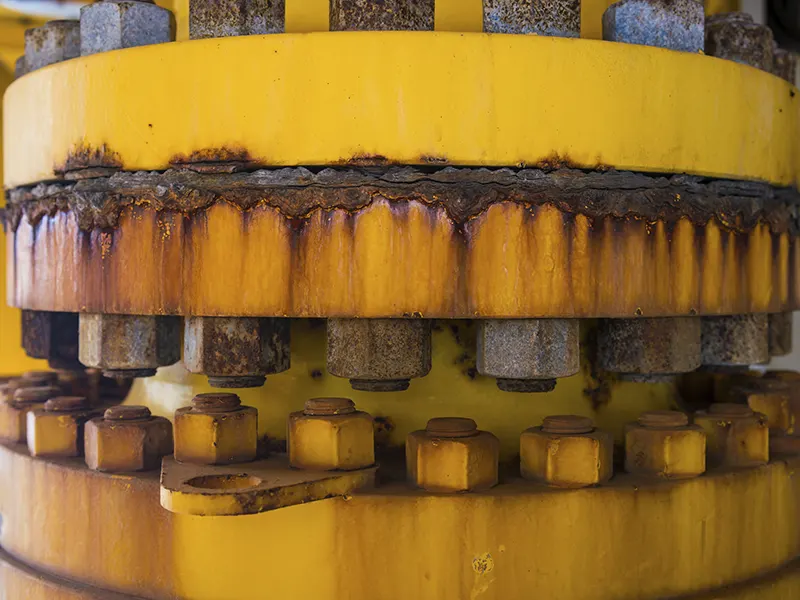
Corrosion occurs in the presence of aqueous solutions or electrolytes and is the main cause of metal degradation. Depending on their appearance and mechanism, the most common types of corrosion can be classified as follows:
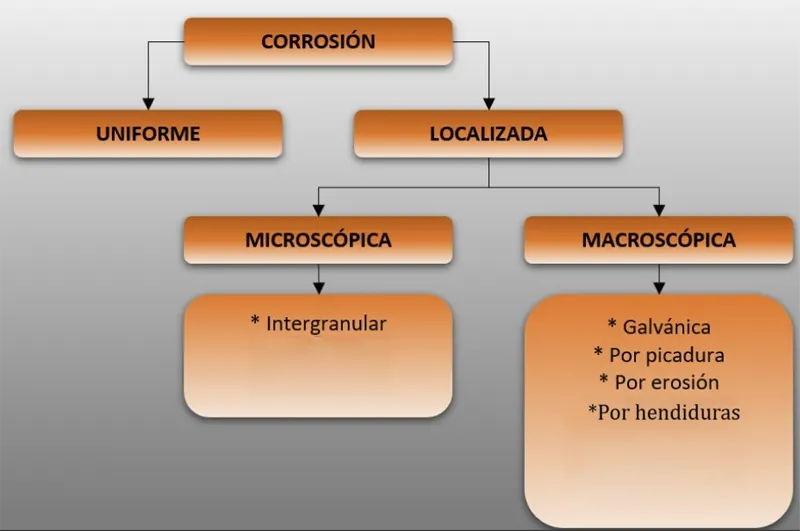
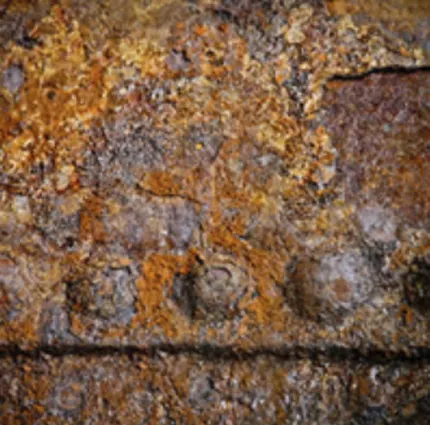
1) Uniform corrosion
It is the most common form of corrosion and is characterized by an electrochemical reaction that occurs homogeneously across the entire exposed metal surface. Over time, this causes progressive thinning until the material fails.
Uniform corrosion can be prevented or reduced by the selection of suitable materials, the use of coatings, the application of inhibitors, or cathodic protection.
2) Localized corrosion::
2.1 Microscopic corrosion
2.1.1 intergranular corrosion
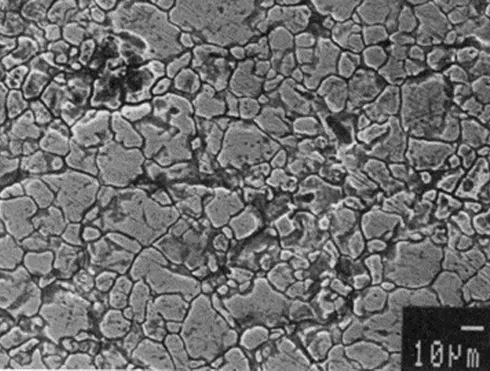
This type of corrosion preferentially attacks the grain boundaries of a metallic structure, while the grain matrix remains relatively intact. As a result, the material weakens and loses its mechanical strength, causing grain separation and disintegration of the alloy.
2.2 Macroscopic corrosion
2.2.1 galvanic corrosion
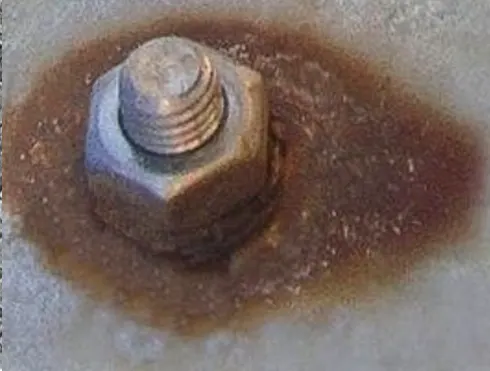
It occurs when two dissimilar metals are in electrical contact within a conductive or corrosive medium, generating a potential difference between them. This process results in a flow of electrons that accelerates the corrosion of the more anodic metal while protecting the cathodic metal.
Las series galvánicas permiten predecir el riesgo de corrosión galvánica entre dos metales: cuanto mayor sea la separación entre ellos en la serie, más intenso será el deterioro del material anódico y mayor será la protección del material catódico.
2.2.2 Pitting corrosion
Galvanic series allow us to predict the risk of galvanic corrosion between two metals: the greater the separation between them in the series, the more intense the deterioration of the anodic material and the greater the protection of the cathodic material.
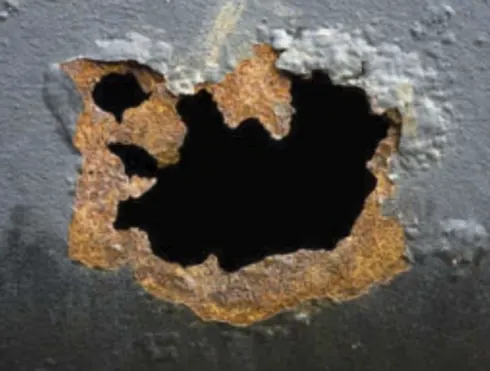
This phenomenon occurs in passive metals and alloys when exposed to environments containing aggressive ions such as chloride, bromide, iodide, or perchlorate, provided that the material’s potential exceeds the so-called “pitting potential.”
2.2.3 erosion corrosion
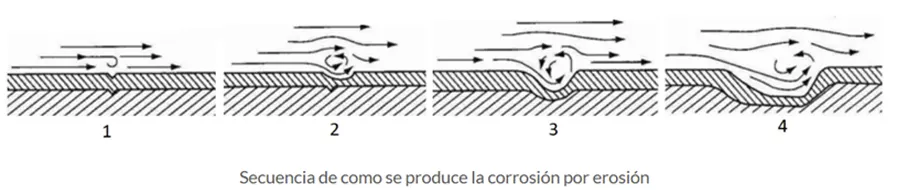
It occurs when a moving fluid, with or without suspended particles, wears away the metal surface at speeds above a critical threshold. The fluid’s velocity directly influences the degree of corrosion, as it can remove protective layers and even metal material.
2.2.4 crevice corrosion
It occurs in narrow or confined spaces where liquid can enter, but its circulation is limited, favoring the accumulation of corrosive agents. It is common in overlapping joints, connections between tubes and heat exchanger plates, among others.
Cathodic protection can help prevent this type of corrosion by keeping the material’s potential below the critical threshold.